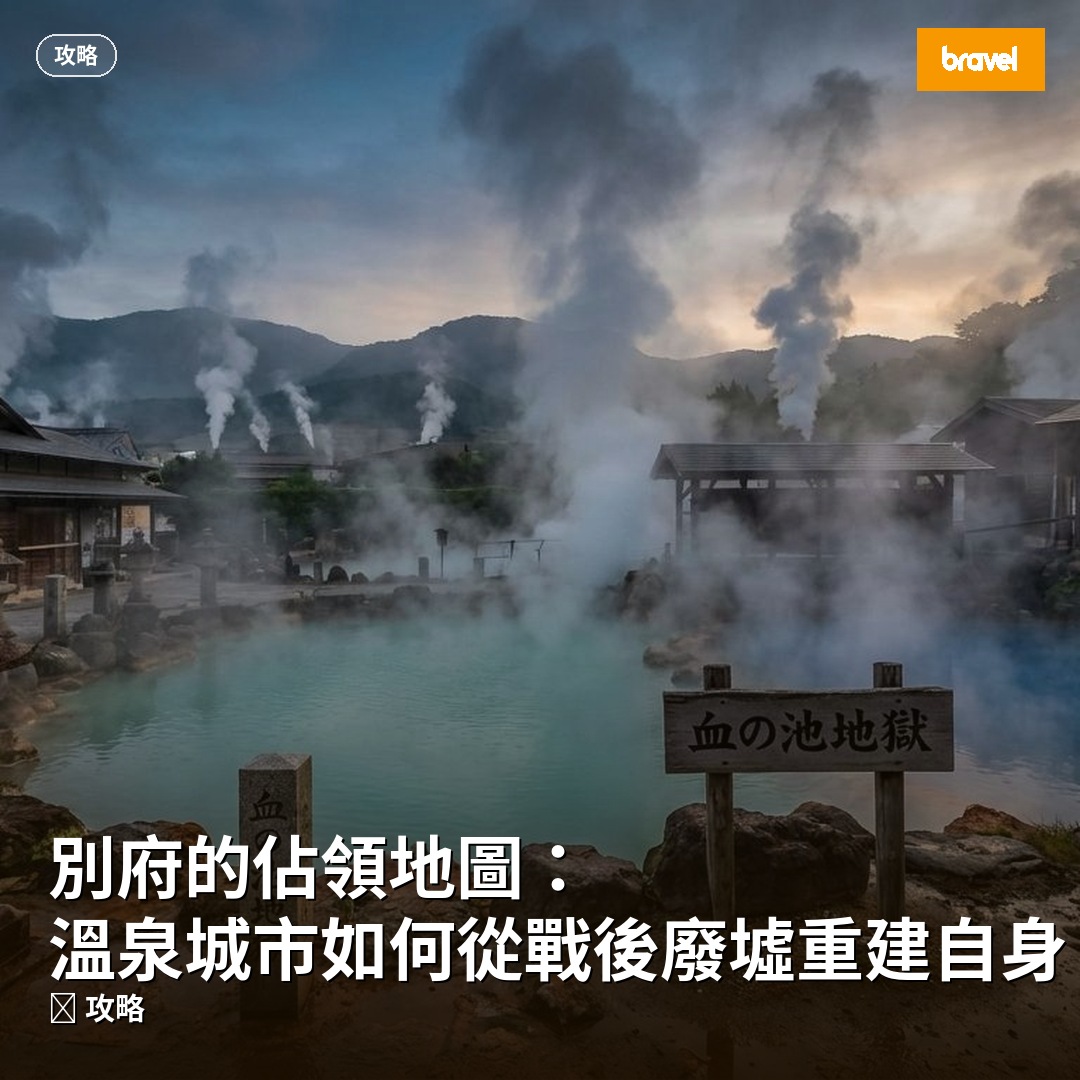
Beppu(別府)是日本九州大分縣的溫泉城市,每日湧出的地熱蒸氣量高居全球第二,僅次於美國黃石公園。但大多數旅客抵達時,腦海中只有「地獄巡遊」的打卡清單,對這座城市在1945年至1952年間所經歷的美軍佔領,以及隨之而來的城市結構重組,幾乎毫無概念。如果你願意用一天半的時間,拋開溫泉旅館的緩慢節奏,Beppu的戰後記憶其實就刻在街道的寬度、建築的樓層數,以及那些至今仍保存完好的佔領期設施裡。前往Beppu最便捷的方式,是從博多乘坐特急「ソニック」(Sonic)約兩小時抵達,單程普通指定席約¥5,000(約HKD 265),或選擇廉航飛大分機場再轉巴士約一小時。預算方面,不含住宿的每日消費若維持在¥6,000至¥10,000(約HKD 315至530)之間,完全可以在不進任何一家高級旅館的情況下,走完本文所描述的城市歷史路線。
1945年的Beppu:為什麼這座城市沒有被炸平
太平洋戰爭末期,美軍對日本本土的空襲幾乎毫無章法地肆虐了絕大多數城市。東京、大阪、神戶、名古屋在1945年3月至8月間的燃燒彈攻勢中失去了大半市區;廣島與長崎則在8月迎來了更不可挽回的命運。然而Beppu幾乎完好無損地撐過了整個戰爭。這並非運氣——至少不完全是。
軍事史學者對此有幾種解釋。其一,Beppu在戰略意義上相對次要:它沒有大型軍工廠,沒有重要港口,亦非九州的行政中心。其二,更具說服力的說法是,美軍情報機關早在1944年便已將Beppu列入佔領後預備使用的休假基地(R&R Base)候選名單。根據歷史學者John Dower在其1999年著作《Embracing Defeat》中的描述,盟軍佔領規劃者對日本的城市資源有相當精確的預判,部分城市的保全並非偶然。Beppu的溫泉設施、相對完整的旅館業,以及遠離主要戰線的地理位置,使它成為一個理想的佔領行政點。
1945年9月,第一批美軍士兵進入Beppu,隸屬第8集團軍(Eighth Army),其佔領行政中心設於今日的Beppu市中心一帶。此後長達七年(正式佔領期至1952年舊金山和約生效),Beppu同時存在著兩個平行的城市生活:一個是日本居民的日常,另一個是美軍士兵的休假經濟。這種雙重性留下了它的城市痕跡,而那些痕跡至今仍可辨認。
竹瓦溫泉的政治學:一棟建築的三個主人
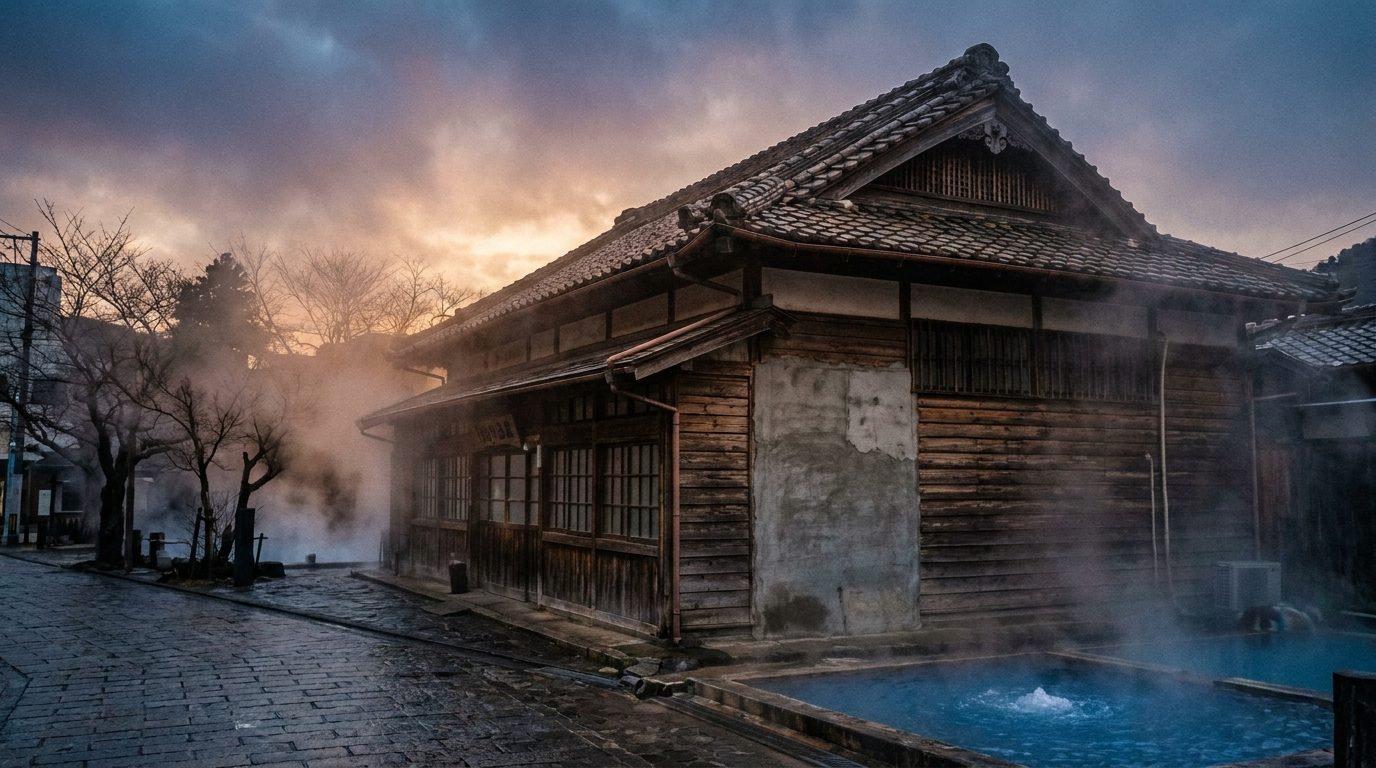
位於Beppu市中心的竹瓦溫泉(Takegawa Onsen,竹瓦温泉,元町16-23,每日6:30-22:30,入浴費¥300,沙浴另計¥1,500),其現存建築建於1938年,是昭和初期日本「帝冠様式」(Teikan-style)建築的地方版本——和風屋頂覆蓋在鋼筋混凝土結構之上,試圖在現代性與帝國傳統之間找到一個政治正確的平衡點。但這棟建築在1945年後並沒有立即回到市民手中。根據大分縣立歷史博物館(Oita Prefectural History Museum)的館藏檔案,佔領初期Beppu若干公共浴場曾被短暫徵用或限制使用,以配合軍事行政的區域劃分。竹瓦溫泉本身的佔領期使用記錄並不完整,但建築外牆至今仍可見一處不成比例的現代水泥修補痕跡,位於西側入口上方約兩米處——這種修補的材質與年代,與1938年原建築明顯不符,是某種有待調查的建築線索。
北濱地區:佔領經濟如何塑造一條街的基因
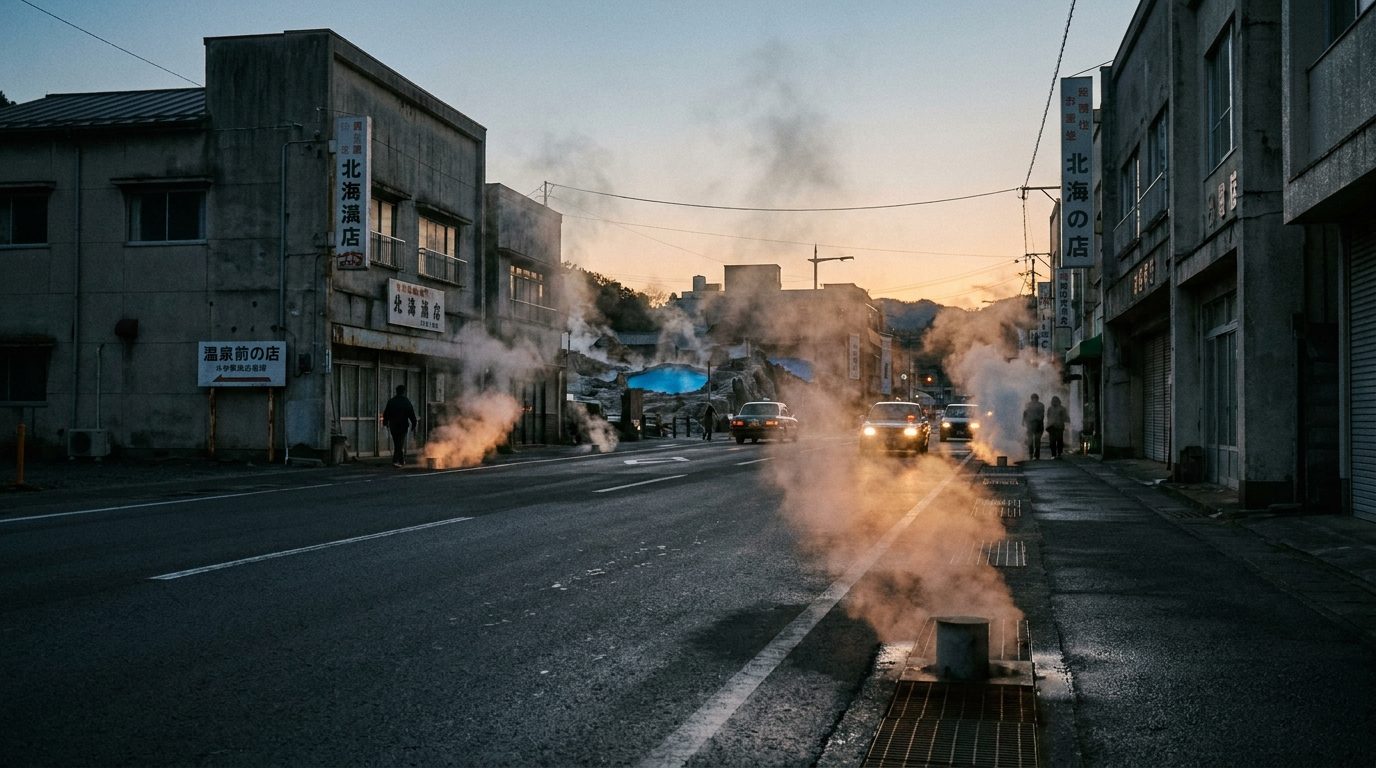
Beppu的北濱(Kitahama)地區,是今日最接近「佔領期市街」樣貌的地帶。從JR別府站步行約八分鐘,沿國道10號往海邊方向走,你會發現這一帶的街道寬度明顯寬於Beppu其他舊城區——這不是巧合,而是佔領當局要求日本地方政府配合車輛通行與軍事動線而進行的道路整改。類似的道路「美式化」現象在沖繩那霸的國際通(Kokusai-dori)更為明顯,但Beppu的北濱版本更為低調,也因此更少被討論。
北濱一帶在1950年代初期曾是Beppu最密集的歡樂街區之一,服務對象主要是駐紮或前來休假的美軍士兵。這種「基地經濟」(Base Economy)在九州各地複製:小倉(Kokura)、佐世保(Sasebo)、福岡(Fukuoka)都有類似的地理分層——軍事設施周邊形成酒吧街、裁縫店、英語菜單餐廳。Beppu的版本因為溫泉旅館業的存在而有所不同:士兵消費的不只是酒精,還有按摩、泡湯、以及一種被後人描述為「有組織的放鬆」的休假體系。
大分交通的美軍遺產:一條公路的建設史
大分縣道路網的現代化,有相當程度要歸功於——或者說歸咎於——佔領期間的美軍基礎建設需求。連接Beppu與大分市(Oita City)的主要幹道,在1947至1950年間經歷了多次擴建,部分路段的選線邏輯至今仍可在地圖上看出與軍事後勤的關係。日本道路公團的歷史文件(現由國土交通省存檔)顯示,九州若干「地方改良道路」計劃是在美軍第8集團軍工兵部隊(Engineer Corps)的技術協助或直接要求下完成的。換言之,你今天從大分機場前往Beppu所走的那條路,其物理形態有部分是1948年的美國陸軍工兵決定的。這種基礎建設的歷史共謀,在日本旅遊文學中幾乎從未被提及。
重建的美學:Beppu車站與1960年代的城市樂觀主義
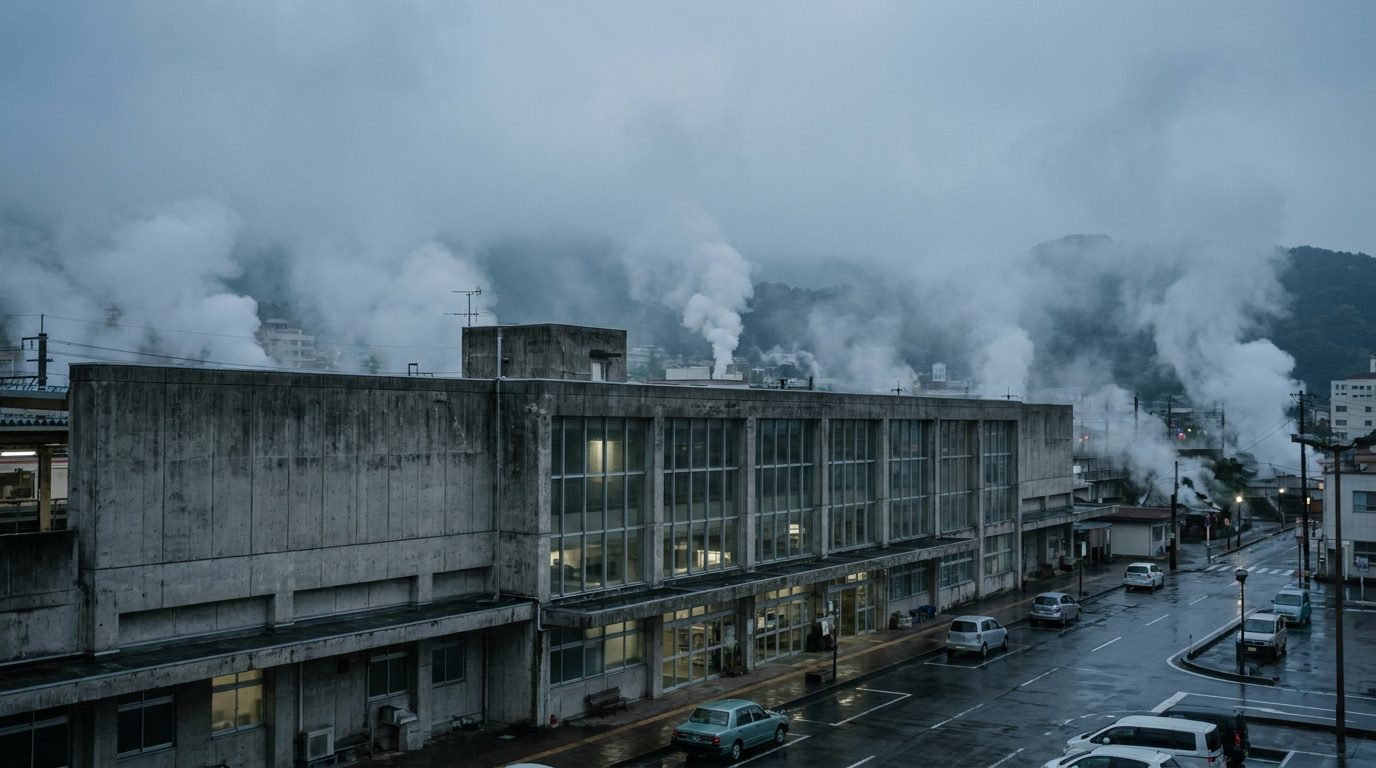
JR別府站的現存站房建於1960年代,屬於日本國鐵(JNR)戰後重建期的標準化設計語言:功能主導、預算克制、對「進步」抱有一種現在看來近乎天真的信仰。建築師的名字在JR九州的官方資料中並未被特別標記,這本身就是一個值得注意的現象——戰後日本大規模基礎設施重建期間,建築師的個人身份往往被集體工程邏輯所淹沒,與同期歐洲重建中建築師被大力彰顯的文化形成對比。
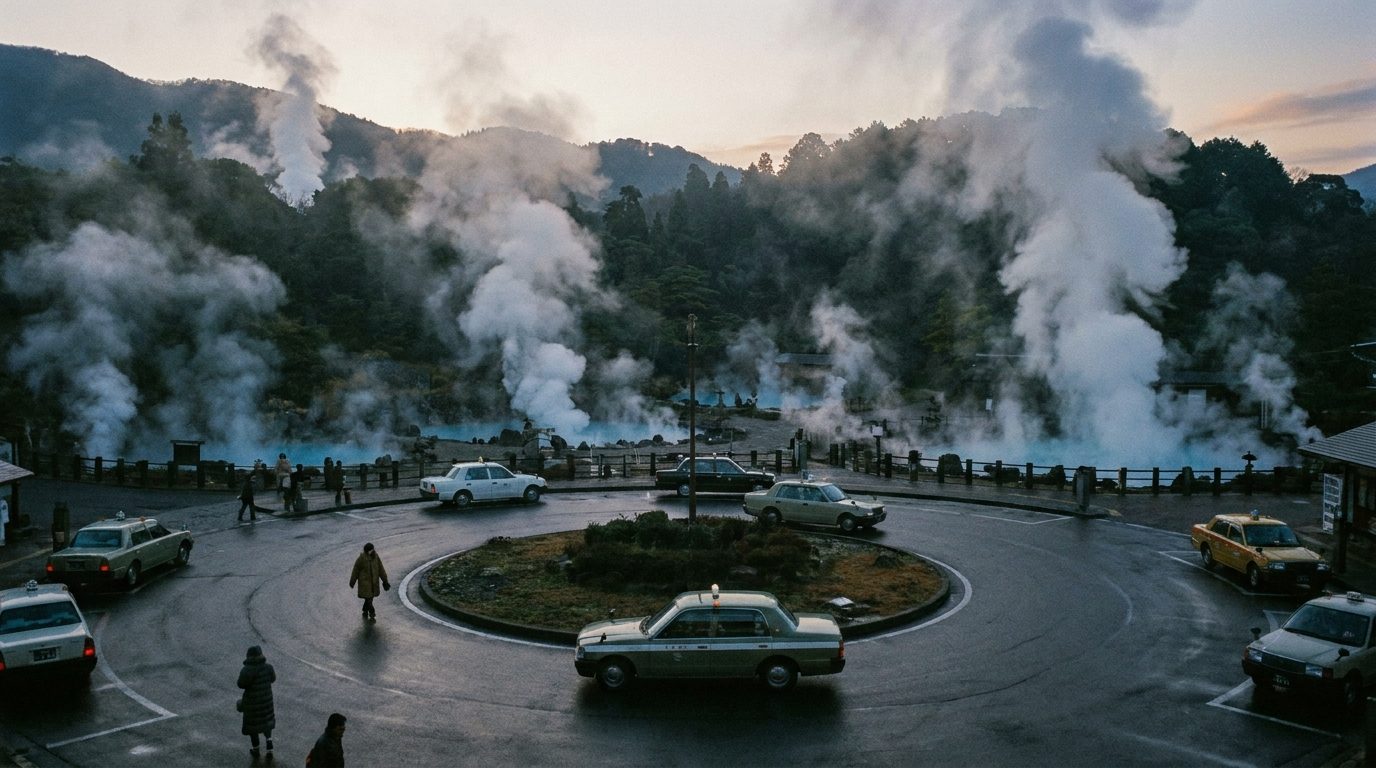
車站東口廣場的計程車排班方式,至今仍保留著一種1960年代日本城市規劃的典型空間邏輯:大型圓形迴轉區、步行者被推向側邊、汽車動線優先。這種設計哲學在1950至70年代的日本幾乎是教條式的,它的源頭可以追溯到戰後美國城市規劃思想對日本的輸出——通過佔領期間的行政指導,以及大量日本技術官僚赴美研修計劃。Beppu車站廣場,從這個角度看,是一塊凝固的意識形態。
車站西口則是另一個故事。2015年前後,西口周邊進行了一次相對低調的都市更新,由大分縣主導,試圖引入更多步行友善設計。但預算限制使得這次更新缺乏建築雄心,結果是一種令人不安的風格混搭:1960年代的混凝土基座上長出了2010年代的玻璃雨篷,兩種時代美學之間沒有對話,只有並置。城市重建從來不是一件乾淨的事。
在Beppu吃什麼:不談溫泉,談歷史積澱下的食物地理
Beppu的飲食文化有一個被嚴重低估的面向:它是九州少數幾個在戰後同時受到「基地食物」與「本土溫泉料理」雙重影響的城市。前者帶來了某種對西式早餐的長期偏愛,後者則固守著大分縣「豊後牛」(Bungo Beef)與「関サバ」(Seki Mackerel)的本地食材主義。
推薦三個具體的吃飯地點,它們各自代表Beppu食物地理的不同層次。其一是「ことぶき」(Kotobuki,北濱2-1-16,午市約¥1,200,晚市約¥3,500-6,000),一家1960年代開業的鄉土料理老店,菜單上的「とり天」(Tori-ten,大分炸雞天婦羅)保留著昭和中期的炸法,油溫控制比時下任何網紅版本都來得精確。其二是「ジャンカラ食堂」一帶的橫丁(Yokocho)小店群,位於北濱一丁目,這裡的居酒屋格局與小倉、佐世保的基地周邊橫丁有著幾乎相同的空間邏輯:窄、暗、親密,適合下午四時就開始喝。其三是車站前的「別府冷麺」(Beppu Cold Noodles),這是一種鮮少被外界討論的Beppu本地食物:受朝鮮式冷麵影響,透過在九州的在日朝鮮人社群於1950至60年代在Beppu落地生根,是佔領期跨文化流動的飲食遺跡,每碗約¥800至¥1,000。
如何設計一條屬於自己的Beppu佔領史路線
以下不是行程表,而是一套空間閱讀邏輯。Beppu的佔領記憶不集中在任何一個博物館或紀念碑——日本對自身「被佔領」歷史的公共展示向來低調,這與德國對二戰記憶的高度儀式化形成鮮明對比。在Beppu,記憶是分散的、物質的、藏在建築縫隙裡的。
建議從竹瓦溫泉開始,上午八時入浴,感受那棟1938年建築的空間比例——高挑的更衣室天花板、木格柵的採光邏輯,都是帝冠樣式在地方尺度上的誠實翻譯。然後步行至北濱,注意腳下的路面寬度變化,在任何一家橫丁居酒屋喝一杯午前咖啡,這在Beppu是完全被接受的社會行為。下午前往別府市立圖書館(Beppu City Library,野口原3-5-15),館內的地方史料室收藏有若干佔領期地圖與照片,工作人員通常願意協助查閱,但需要基本日語或事先書面聯繫。最後以JR別府站廣場的黃昏收尾,在蒸氣與混凝土之間,Beppu的城市記憶會以一種非常物質的方式向你顯現。
Beppu is best visited between October and March, when the cooler air makes the natural steam from the city's hot springs dramatically visible against the landscape, and when the summer tourist crowds from Fukuoka and Osaka have largely dissipated. A typical budget for Beppu is ¥8,000 to ¥15,000 per day (approximately HKD 420–790), covering accommodation in a mid-range onsen guesthouse, meals, and entry to public baths. Beppu is accessible year-round, but the city's particular atmosphere — melancholic, layered, slightly out of time — is best appreciated when it is not performing for peak-season visitors.
常見問題 FAQ
How much does a day in Beppu cost, including onsen entry and meals?
A realistic daily budget for Beppu is ¥8,000–¥15,000 (approximately HKD 420–790), excluding accommodation. Public onsen entry such as Takegawa Onsen costs ¥300 (about HKD 16), while a sand bath adds ¥1,500 (HKD 79). A set lunch at a local tori-ten restaurant runs ¥1,000–¥1,500, and dinner at a neighbourhood izakaya in Kitahama rarely exceeds ¥3,500 without excessive drinking. Mid-range onsen guesthouses (ryokan) start from ¥8,000 per person per night including dinner and breakfast, though business hotels near the station offer rooms from ¥5,000 without meals.
What is the best time to visit Beppu?
The best time to visit Beppu is October through March. Cooler temperatures make the geothermal steam dramatically visible throughout the city — from street vents, rivers, and hillside outlets — which is both aesthetically striking and physically comfortable for walking the urban circuits described in this article. Summer (July–August) is busy with domestic tourists and uncomfortably humid. Spring cherry blossom season (late March to early April) is pleasant but crowded near the Beppu Park area.
How do I get from Fukuoka to Beppu?
The most efficient route from Fukuoka (Hakata Station) to Beppu is the Limited Express Sonic (ソニック), operated by JR Kyushu, which runs multiple times daily and takes approximately 2 hours to 2 hours 15 minutes. A reserved economy seat costs approximately ¥5,000–¥5,500 one way (about HKD 265–290). The JR Kyushu Rail Pass (Northern Kyushu, 3-day) at ¥10,000 covers this route and offers good value if combining Beppu with Kokura or Oita. Alternatively, highway buses from Fukuoka's Hakata Bus Terminal take about 2 hours and cost ¥2,900–¥3,500, but offer less flexibility.
Why is Beppu's postwar architecture historically significant?
Beppu's postwar built environment is significant because the city survived World War II largely intact — almost certainly because Allied planners had earmarked it as a rest-and-recreation base for occupation forces. This meant Beppu underwent a different kind of urban transformation from destroyed cities like Tokyo or Osaka: instead of wholesale reconstruction, it experienced a layering of military-era road widening, requisitioned public facilities, and a parallel "base economy" of bars and service industries. The city's 1960s public buildings, including the current JR Beppu Station, reflect Japan's postwar developmentalist optimism, while the Takegawa Onsen (built 1938 in the Teikan style) represents the pre-war architectural idiom that the occupation interrupted but never erased.
Is Beppu safe for solo travel, including at night?
Beppu is extremely safe for solo travellers, including at night. Japan's overall crime rate is among the lowest in the developed world, and Beppu's size — a city of approximately 120,000 people — means it lacks the anonymising scale that can make larger cities feel unsafe after dark. The Kitahama entertainment district has some late-night activity around its izakaya alleys, but these are low-key by any international standard. Solo female travellers report no particular concerns. The main practical caution is that some smaller onsen facilities have limited or no English signage; carrying a basic translation app is advisable.
Is there a museum about Beppu's wartime and occupation history?
There is no dedicated museum in Beppu focused specifically on the American occupation period. The closest resource is the Beppu City Library (別府市立図書館, Noguchihara 3-5-15), which holds local history archives including some occupation-era maps and photographs in its regional studies collection. The Oita Prefectural History Museum (大分県立歴史博物館), located in Usa city about 40 minutes north of Beppu by local train, holds broader prefectural wartime and postwar materials. Researchers seeking occupation-specific documents may also consult the National Archives of Japan (国立公文書館) digitised collections online, which include some GHQ/SCAP administrative records for Kyushu.
延伸閱讀:福岡的基地經濟遺跡 | 長崎的重建政治學 | 沖繩:佔領從未真正結束 | 北九州的工業記憶與後工業身份 | 廣島:紀念建築的倫理困境
外部資料來源:別府市公式網站 | 大分縣觀光情報公式サイト | Wikipedia: Occupation of Japan | 国立国会図書館デジタルコレクション | UNESCO World Heritage Centre | Michelin Guide Oita | JR Kyushu Official Site